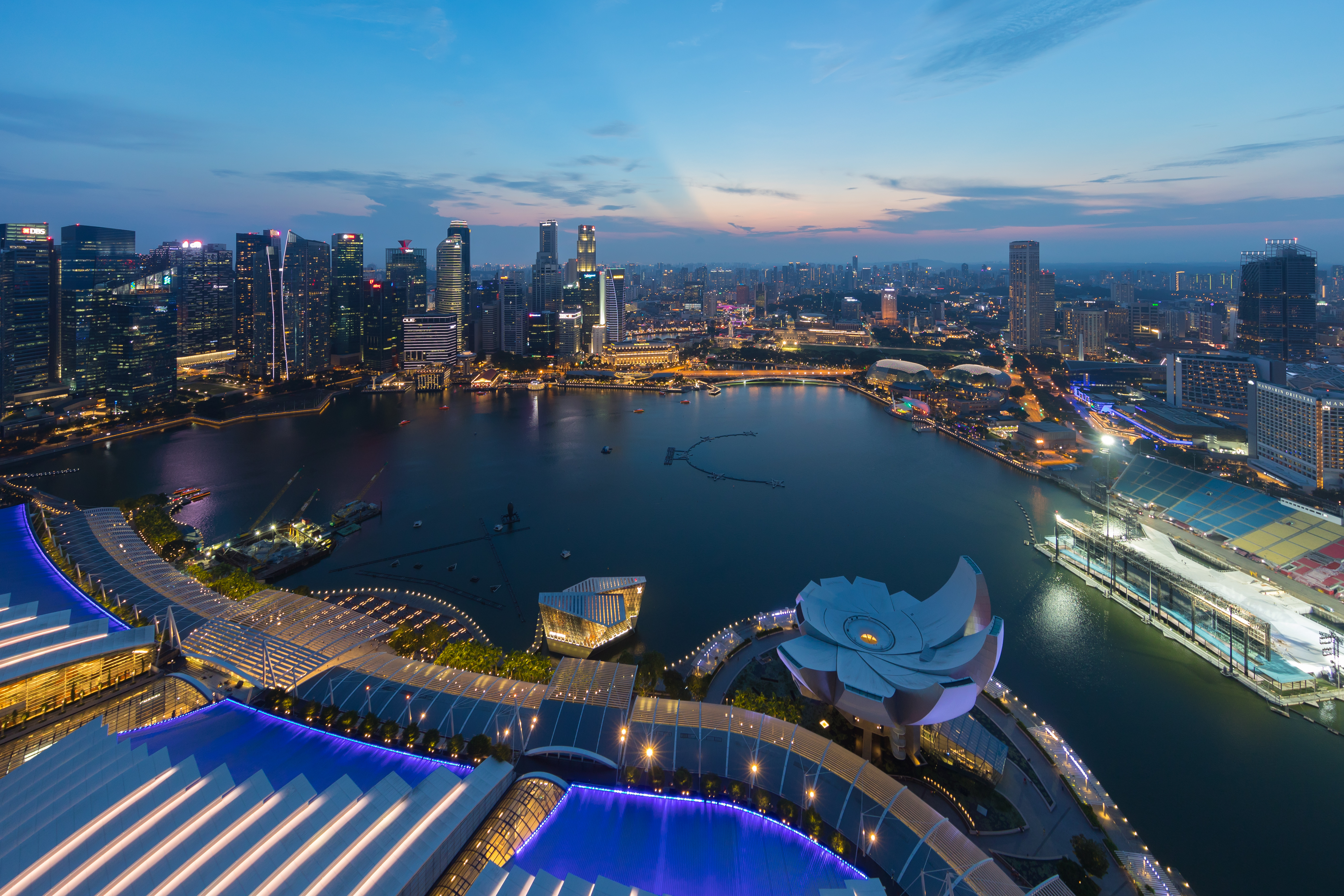
From S$200-million automated distribution centres to autonomous delivery fleets navigating office towers, Singapore has become a proving ground for workplace robotics. This local information archive tracks the data, the deployments, and the shifting landscape of human-machine collaboration in the city-state.
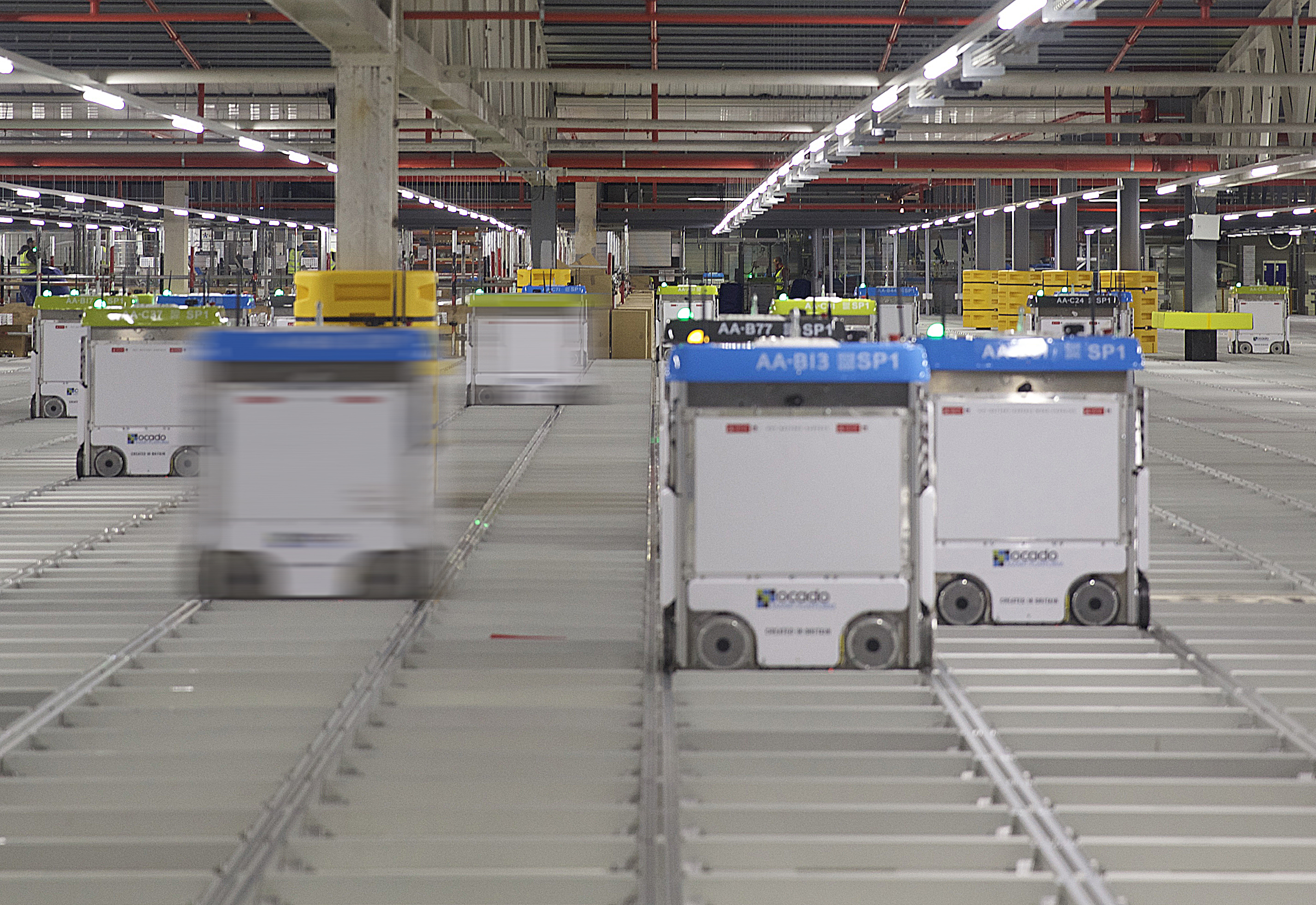
Quicktron Robotics launched its QuickMix integrated goods-handling suite while Atomix Robotics expanded flexible mixed-subsystem solutions for local warehouses.
NTUC FairPrice's AI-powered trolleys, QuikBot's autonomous delivery fleet, and SMRT's Hive 2.0 unmanned concept stores are redefining the retail experience.
Cobots are moving beyond traditional factory floors into food processing, electronics assembly, and small-batch production environments across the island.
Singapore's robotics trajectory is shaped by structural factors that set it apart from regional peers. A tight labour market with an unemployment rate consistently below 2.5% creates persistent wage pressure in logistics, retail, and food services. The government's Industry 4.0 Transformation Maps have channelled SGD 1.6 billion toward productivity-enhancing technology adoption since 2020.
R&D investment reached approximately SGD 12.5 billion in 2022, a 15% increase from the prior year, with a significant portion allocated to robotics and automation. The city-state's compact geography and dense urban infrastructure also provide ideal conditions for autonomous delivery networks, with most commercial districts reachable within a 30-minute logistics window.
Unlike markets where automation is primarily cost-driven, Singapore's adoption pattern reflects a dual focus on operational efficiency and workforce augmentation. AGIBOT's 2026 partnership with Singtel Enterprise to offer Robot-as-a-Service (RaaS) leasing models illustrates how the market is shifting from capital-heavy purchases toward subscription-based robotic deployments.
Automated Storage and Retrieval Systems (ASRS), AMRs, and multi-shuttle platforms are cutting order fulfillment times by up to 60% in major distribution centres. The Benoi cluster alone now houses three fully automated facilities.
AI-enabled smart carts have boosted average basket size by 80% at FairPrice's Punggol flagship, while vision AI monitors shelf inventory in real time across 570 touchpoints. Cashier-free stores operate at Hive 2.0 using AI-powered tracking cameras.
QuikBot's fleet of seven autonomous robots delivers meals to 400+ office workers daily in South Beach Tower. AGIBOT's Expedition A2 robot will serve passengers at Changi Airport Terminal 5, and robotic arms at Mr. R Robotics pick products from chilled and ambient shelving.
Global robotics statistics, density rankings, and annual reports covering Singapore's position among the world's most automated economies.
Official information on Industry Transformation Maps, technology grants, and the government's advanced manufacturing roadmap.
Singapore's Agency for Science, Technology and Research — publications on robotics R&D, human-robot interaction, and industrial automation.