Warehouse Robotics in Singapore: Automated Logistics Hubs and AMR Deployments

Singapore's warehouse sector is undergoing a structural transformation. Over the past 18 months, three major automated distribution centres have opened in the western industrial corridor alone, with aggregate investments exceeding S$350 million. The shift reflects a broader pattern where logistics operators are replacing manual processes with multi-layered robotic systems capable of handling diverse product categories at scale.
Maersk World Gateway II: Setting a Regional Benchmark
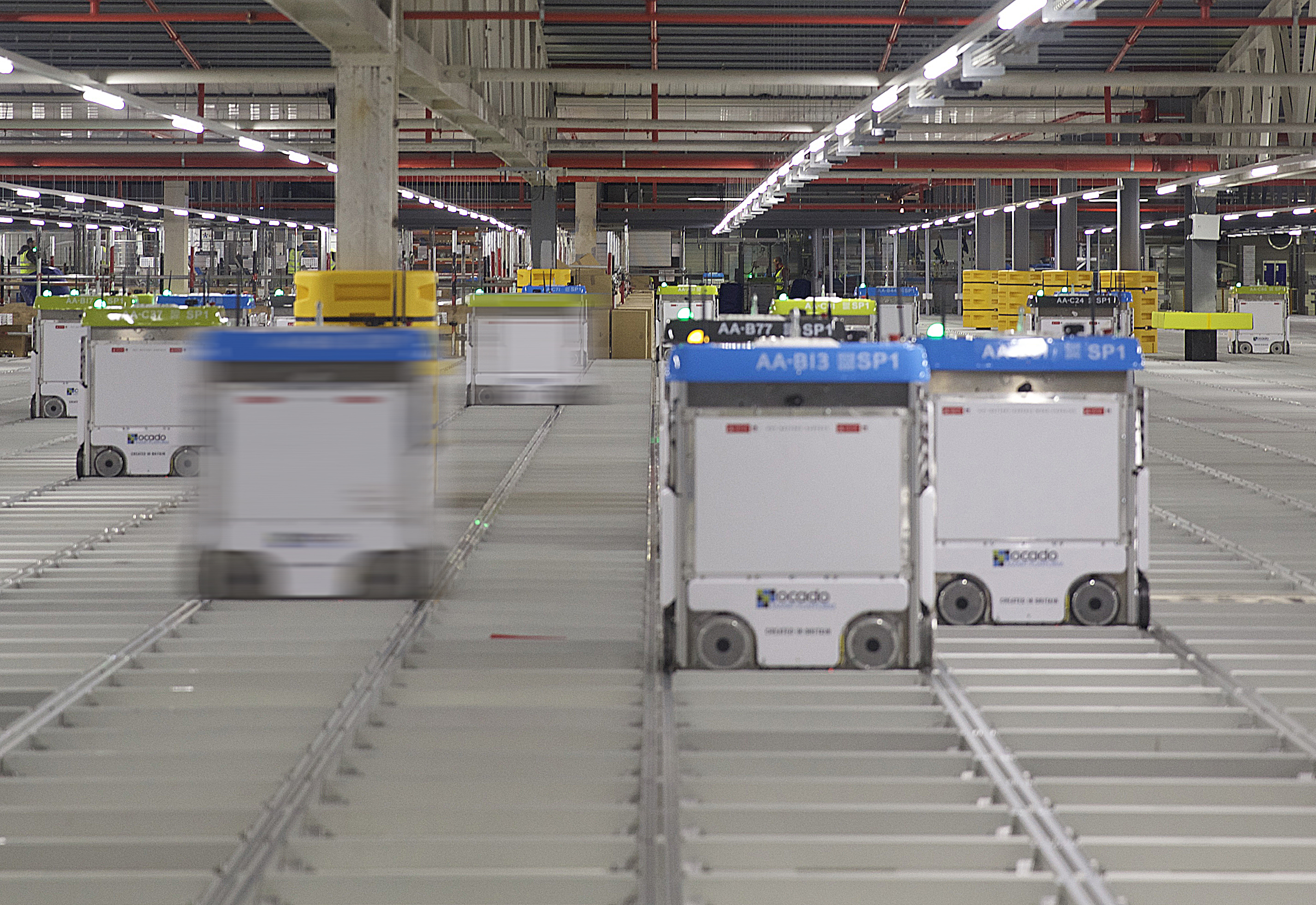
The most significant deployment came in March 2026, when Maersk inaugurated World Gateway II — a 1.1-million-square-foot fully automated distribution centre in Benoi. The S$200 million facility incorporates four distinct robotic systems working in coordination:
- Multi-Shuttle System — One of the region's largest automated loose-piece handling configurations, managing individual items rather than full pallets
- Automated Storage and Retrieval System (ASRS) — High-density vertical storage towers that maximize cubic space utilization
- Autonomous Case-handling Robots (ACR) — Mobile units that retrieve and transport standard shipping containers between zones
- Autonomous Mobile Robots (AMRs) — Navigation-capable robots handling last-mile internal logistics, from staging areas to loading docks
World Gateway II doubles Maersk's Singapore footprint to over 2 million square feet. At launch, the facility reached 70% occupancy, serving B2B and B2C e-commerce clients across lifestyle, FMCG, retail, wellness, and technology verticals. Approximately 500 workers will be employed when operations reach full capacity — a figure that illustrates how these facilities augment rather than eliminate human labour.
Quicktron Robotics and Integrated Warehouse Platforms
Quicktron Robotics introduced its QuickMix technology suite at CeMAT Asia 2025, targeting Singapore's intralogistics segment. Unlike single-function systems, QuickMix integrates multiple subsystems under a unified control architecture:
- Goods-to-Person (G2P) retrieval for high-frequency SKUs
- Tote storage and pallet management for bulk inventory
- Mixed picking workstations combining robotic arm and human picking
- Unified fleet management software orchestrating heterogeneous robot types
The platform addresses a persistent challenge in warehouse automation: interoperability. Many facilities operate isolated robotic subsystems from different vendors, creating bottlenecks at handoff points. QuickMix attempts to eliminate these friction zones through centralized task allocation and real-time traffic management across the entire fleet.
Atomix Robotics: Flexible Solutions for Mid-Sized Operations
Singapore-based Atomix Robotics occupies a different market niche, focusing on warehouse operators who cannot justify the capital expenditure of a full ASRS installation. Their approach uses standardized heterogeneous robots — combining different robot types from a common hardware platform — paired with modular software that scales from a single warehouse aisle to full-facility coverage.
Atomix's value proposition centres on deployment speed. According to the company, a mid-sized warehouse can transition from manual operations to mixed robotic handling in under eight weeks, compared to the 12-18 month lead times typical of large ASRS projects. This rapid implementation model has resonated with third-party logistics providers serving Singapore's fast-cycling consumer electronics and fashion fulfillment markets.
The Economic Context Behind Adoption
Singapore's warehouse robotics expansion occurs against a specific economic backdrop. The industrial robotics market was valued at USD 508.7 million in 2024, with projections to reach USD 1.15 billion by 2030. Volume data tells a parallel story: 7,000 industrial robot units were deployed in 2024, forecast to reach 15,000 by 2030 — a doubling in six years.
Government policy has actively shaped this trajectory. The Industry 4.0 Transformation Maps allocated SGD 1.6 billion toward technology adoption, while national R&D investment reached SGD 12.5 billion in 2022. These figures represent direct incentives for logistics operators to automate, particularly as labour costs in Singapore's tight market continue rising.

What This Means for the Sector
Three patterns are emerging from Singapore's warehouse robotics landscape. First, the trend is toward integrated multi-robot systems rather than single-technology deployments. Facilities like World Gateway II demonstrate that maximum efficiency requires coordination between AMRs, ASRS, ACRs, and shuttle systems operating as a unified fleet.
Second, the service model is evolving. AGIBOT's 2026 partnership with Singtel Enterprise to offer Robot-as-a-Service (RaaS) leasing models suggests the market is moving toward subscription-based access, lowering the barrier for smaller operators.
Third, human roles are shifting rather than disappearing. World Gateway II's 500-worker projection indicates that even the most automated facilities require substantial human oversight, maintenance, and exception handling. The labour conversation in Singapore warehousing is less about replacement and more about reallocation toward higher-value tasks.